




Property Management Renovations
Renovation work for property managers runs on a different logic than renovation for owner-occupants. The person signing the contract isn't the person living in the unit. The budget answers to an owner or an asset manager, not a homeowner deciding what they can stomach. The timeline runs against vacancy costs – every day a unit sits empty is measured in lost rent, not lifestyle inconvenience. And the scope isn't about personal taste. It's about what rents the unit fastest at the target rate with the lowest ongoing maintenance burden.
We respond within 24 hours
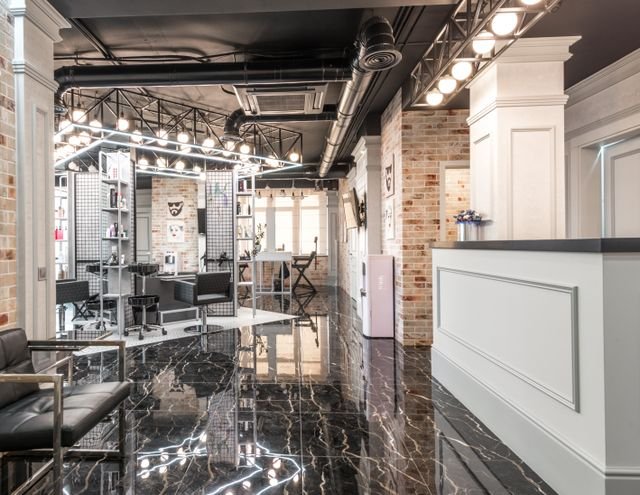
Property Management Renovation Service Overview
Most vendor relationships in property management renovation fail on one of three fronts: unreliable scheduling that pushes turnover dates past the leasing window, scope creep that pushes budgets past what the owner approved, or reporting that doesn’t tell the management team what they need to know.
Scheduling is the biggest one. A turnover contractor who commits to a five-day turn and delivers in nine has cost the property four days of vacancy – which at typical market rents is more than the renovation invoice for a modest turn. That’s real money. Property managers who’ve been burned by this once tend to remember it, and rightly so. Reliable scheduling isn’t about being fast. It’s about hitting the date you committed to, or telling the manager early enough to adjust the leasing timeline.
Scope creep is the second failure. A tenant move-out reveals damage the pre-move-out inspection missed. The vendor addresses it and adds it to the invoice. Nobody at the management company approved that work. The invoice gets kicked back or disputed. The relationship deteriorates over a $340 line item that could have been handled with a two-minute phone call before the work happened. We don’t do work that wasn’t approved unless it’s a habitability issue that can’t wait – and even then, the call gets made first.
Reporting is the third. Property managers report to owners. Owners want to know what got done, what it cost, and why. A vendor invoice that says “renovation work – $4,200” isn’t reportable. A vendor invoice that itemizes labor, materials, and scope with unit and property reference is. We invoice the way property management operations actually need to consume the information.
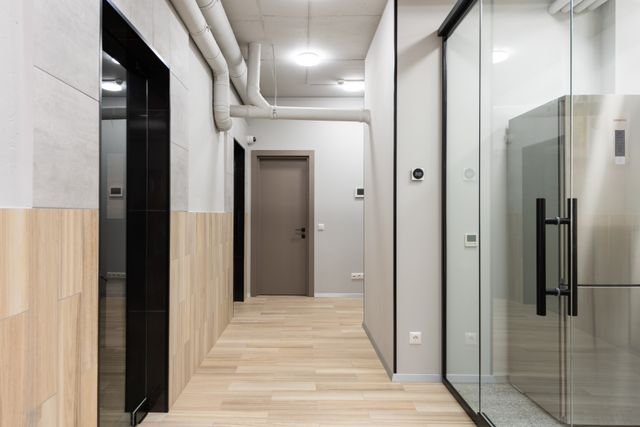
Property Management Renovation Cost – What Actually Drives It
Property management renovation cost varies with scope tier more than square footage. A standard turnover – paint, cleaning, minor patching, hardware touch-up – runs $600 to $1,800 per unit depending on condition and finish level. A moderate turn with flooring replacement, appliance swaps, or a bathroom vanity update runs $2,200 to $6,500 per unit. A heavier renovation – kitchen refresh, bathroom refresh, and full paint – runs $8,000 to $22,000 per unit and starts overlapping with owner-occupied renovation scopes.
The pricing conversation that actually matters for a property management operation isn’t the per-unit number. It’s the reliability of the estimate against the actual invoice. A vendor who quotes $1,400 for a turnover and invoices $2,100 twice a year is more expensive than a vendor who quotes $1,600 and invoices $1,600 – even though the sticker price looks lower. We build estimates against the scope actually visible during the walk-through and flag contingency items separately so the management team knows what could shift and what won’t.
Portfolio pricing is available for management companies running consistent turnover volume. Standardized specs across a portfolio – same paint color, same flooring, same fixtures – reduce cost per unit meaningfully because we’re not sourcing new materials for every job. If your properties have consistent standards, bring them to the initial conversation. If they don’t and you’d like them to, that’s a conversation worth having too.
Our Property Management Renovation Services
From full replacements to targeted repairs, we provide comprehensive exterior solutions for homeowners across the Greater Seattle area.
Standard Turnover Work
Paint, patch, clean, hardware touch-up, minor repairs. The bread-and-butter work of any property management operation. We hit the turnover on a defined timeline – usually three to six days for a standard turn depending on unit size and condition – and invoice against the scope agreed at walk-through. Anything discovered during the turn that wasn't in scope gets flagged to the property manager for approval before the work happens.
Moderate Turnover With Finish Upgrades
Turnovers where the unit needs more than cosmetic refresh – flooring replacement in wear zones, appliance swaps for units that were last upgraded a decade ago, bathroom vanity replacement, kitchen counter refresh. This is the tier where units are being repositioned in the market – moved from one rent band to a higher one – and the work needs to actually justify the rent increase.
Full Unit Repositioning Renovations
Kitchen refresh, bathroom refresh, and full paint. Flooring replacement throughout. Fixture and hardware modernization. This is a scope for units that have been under-renovated for multiple tenancies and are now uncompetitive at the target rent. We work with the property manager and owner on the scope-to-rent-increase math – a full repositioning that adds $150/month in rent has different economics than one that adds $400/month, and the scope should match.
Rainwood also offers interior renovations. Contact us to discuss your project.
See Our Work in Action
Watch how we transform homes with quality siding installation.
COMMON PROBLEMS WE FIX
These are the signs that usually mean it's time to call a contractor for home renovation work.rn
Why Hire a Property Management Renovation Contractor
The property management vendor relationship works when the contractor understands the business of renting property, not just the trade of renovating it. Those aren’t the same skill set, and they aren’t usually held by the same person.
A property management contractor should be thinking about vacancy cost when quoting turnover timelines, about ongoing maintenance burden when specifying finishes, and about the difference between rentable and personal-preference finish quality. A unit isn’t rentable when the paint has hairline touch-up lines visible in direct light – but it also isn’t more rentable because the trim is caulked to a level that a homeowner would demand. Knowing where that line sits saves the owner money without costing the property in leasing speed.
The reporting side matters more than most vendors realize. Property managers are accountable to owners. Owners are accountable to their own investors or their own financial planning. A vendor whose invoicing and communication fits cleanly into that reporting chain is a vendor who gets called for the next job – and the one after that.
One point of contact who knows your portfolio. Not a rotating cast of estimators who need to be re-briefed on the property standards every time.
- One contract, one point of contact – no split responsibilities
- Line-item estimates, not lump sums with buried allowances
- Weekly updates with photos and documentation, not vague phone calls
- Scope changes priced and approved in writing before work happens
- Warranty paperwork and inspection records at project close

10+
Years Experience
Our Recent Projects
Browse through some of our recent siding installations and repairs across the Greater Seattle area.

Great people. Showed up early and stayed late to get the job done. Work was excellent. Price was the best i found after four quotes. Would definitely use this company again.

We hired Rainwood Construction LLC to replace our French doors, and the result was outstanding. We knew going in this was more involved than a standard swap — we switched from inward to outward swinging doors, requiring extra attention to framing, flashing, and weatherproofing to keep everything sealed against water intrusion.Anatoliy was our point of contact and led the project from before to after, making sure the swing change and weatherproofing were planned and executed correctly. Igor and Vitaly handled the on-site installation and did excellent, high-quality work. The whole team was on time, professional, and delivered top-notch results. Can’t recommend them highly enough. 5 stars!

Every member of this crew I've had the pleasure of coming in contact with has been professional, excellent in their skillset, and fast. Pricing was reasonable for the excellent job they did.Last year we hired Rainwood to do plumbing and painting for a job. Both crews did such a great job, were thorough, and the level of detail was fantastic!We liked them so much we recently hired them for a quick job (installing ceiling fans). We messaged on a Wednesday and the job was done by Friday.Will absolutely hire Rainwood again and again for every job we do for our home.

Working with Rainwood Constructions on our house remodel was an excellent experience from start to finish. Their contractors were highly professional, skilled, and attentive to detail, and the quality of their work exceeded our expectations. The team communicated clearly throughout the project and ensured everything was completed on time without compromising quality. We’re extremely happy with the results and would highly recommend them to anyone planning a home remodel.

We had a very good experience with Rainwood Construction LLC and Toli during my brother’s home construction project in Shoreline. The team was professional, communicative, and paid close attention to detail throughout the process. We were especially happy with the quality of the fittings and finishing work, which turned out really well. The project was handled smoothly, and the overall workmanship met our expectations. Would definitely recommend them to others looking for reliable construction services.

We had an excellent experience with them on our sunroom project. The quality of the work was outstanding, they were easy to work with, and they clearly explained each step, the schedule, and key decisions (with various options to help us understand cost) along the way. Communication was solid from start to finish, and the final result looks great. Highly recommend, they are my new go to recommendation when friends ask.

Our Simple Process
From first contact to final walkthrough, we make siding projects straightforward and stress-free.
Portfolio Standards Conversation
Before the first job, we walk through your standard specs – paint colors, flooring, fixtures, hardware, appliance tier. If you have a spec sheet, we build to it. If you don't and you'd like to standardize, we can help develop one. Portfolio consistency saves money and reduces decision fatigue on every subsequent turn.
Move-Out Walk-Through and Scope Definition
We walk the unit as soon as possible after tenant move-out, ideally with the property manager or their delegate. Scope gets defined against what's actually visible, contingency items get flagged separately, and the estimate goes back to the manager with a committed timeline. No work starts until the scope and timeline are approved.
Execution With Change-Order Protocol
Work proceeds on the approved scope. Anything discovered during the work that wasn't in scope gets photographed, communicated, and priced for approval before it happens. Habitability issues that can't wait get addressed with a phone call first – not billed after the fact. Threshold for approval-required change orders is set with each management company upfront.
Post-Occupancy Response
If the incoming tenant flags something during move-in that traces back to the renovation work, we come back and address it. This isn't a warranty claim process with paperwork – it's a phone call and a service visit. Small items caught in the first week of tenancy protect the tenant relationship and the property manager's reputation, and they're cheap to address when handled quickly.
Ready to Get Started?
Contact us today for a free on-site assessment. We’re here to help protect your home.
Call us now
425-750-1025
Email us
Anatoliy@rainwoodconstruction.com
Visit us
12310 Hwy 99, Everett, WA 98204
Hours
Mon-Fri 9:00 am–6:00 pm, Sat 11:00 am–5:00 pm, Sun Closed
FAQ
A standard turnover – paint, patching, cleaning, minor hardware – runs $600 to $1,800 per unit depending on unit size and condition. A moderate turn with flooring replacement or appliance updates runs $2,200 to $6,500. Full repositioning renovations that include kitchen and bathroom refresh run $8,000 to $22,000. The number that actually matters for a property management operation isn’t the sticker price – it’s the reliability of the estimate against the invoice, and whether the timeline commitment holds against the leasing window.
A standard turn on a typical one-bedroom or two-bedroom unit runs three to six days. A moderate turn with flooring replacement or appliance swap runs five to nine days. Full repositioning renovations run three to six weeks. The timeline we commit to is the timeline we hit – and if something is going to slip, we call before the target date, not on it. Vacancy costs money and property managers can’t plan against unreliable dates.
Both, depending on how the property manager wants the relationship structured. Most management companies prefer we invoice them and they handle owner reporting. Some prefer we invoice the owner directly with the property manager as the operational contact. Either works. We match the structure to how the management company runs their books rather than imposing our own.
Yes, and it saves money when volume justifies it. Standardized paint colors, flooring specs, fixture families, and hardware selections across a portfolio reduce material sourcing time, reduce decision-making per unit, and produce consistent-looking units that photograph well and rent faster. If your portfolio doesn’t have standards yet and you’d like to develop them, we can work through spec sheets during the onboarding conversation. If you have standards already, we build to them.
We photograph it, communicate it, and price it for approval before doing the work – unless it’s a habitability issue that can’t wait, in which case we make the call and then proceed. The approval threshold gets defined with each management company upfront. Most portfolios set it around $150 to $250 – anything under gets handled and included in the invoice with photo documentation, anything over gets a phone call first. This protocol prevents the invoice disputes that kill vendor relationships.
Portfolio operations get a designated project manager who knows the properties, the standards, and the property management team’s preferences. Multiple concurrent turnovers get scheduled against crew availability with priority given to units with confirmed move-in dates. Weekly or bi-weekly status reporting on active work depending on volume. For management companies running heavy volume, we’ve built dedicated crew capacity – but that’s a conversation we have after we’ve worked together long enough to see what your steady-state volume actually looks like.